Metaverse

>About Metaverse

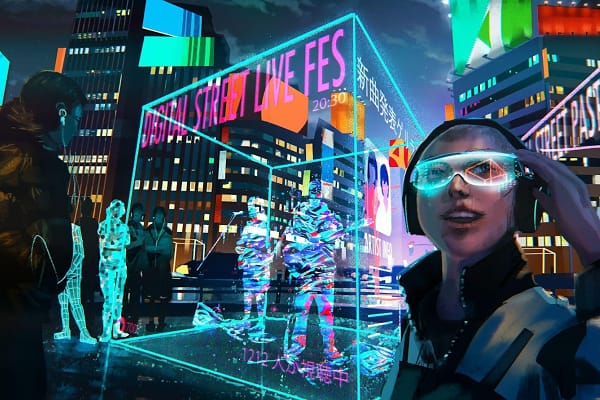
bc The metaverse is a virtual, interconnected, and immersive digital universe where people can interact with each other and digital environments in real-time. It combines augmented reality (AR), virtual reality (VR), social networking, and other technologies to create a shared, persistent, and vast digital space. It's often described as a collective virtual shared space that spans the internet and enables various forms of digital interaction, such as gaming, socializing, working, and more. The concept is still evolving, and various companies and organizations are working on different aspects of the metaverse's development.
In simple words
bc The metaverse is like a massive online playground or world where people can hang out, play games, work, and socialize together in a digital environment. It's a mix of virtual reality, augmented reality, and the internet, all rolled into one big interconnected space.

Features

blockchain
Virtual Worlds
These are digital environments where users can interact with each other and objects in the space. They can be realistic or fantastical, designed for various purposes like gaming, socializing, or work.
Avatar Creation:
Users can create and customize digital representations of themselves (avatars) to navigate and interact within the metaverse.
Real-time Interaction:
Communication and interaction within the metaverse happen in real-time, allowing for chat, voice communication, and even body language through avatars.
Interoperability:
Ideally, the metaverse should be interconnected, allowing users to move seamlessly between different virtual spaces and applications. .

How It Works

work The metaverse works by leveraging various technologies to create a vast, interconnected digital universe. Here's a simplified overview of how it operates: :
Virtual Worlds and Environments:
: The metaverse consists of various virtual worlds or digital environments. These spaces can range from realistic simulations to entirely fantastical realms.
Avatar Creation:
Upon entering the metaverse, users create or choose avatars, which are digital representations of themselves. These avatars serve as their presence within the virtual environment. .
Real-time Interaction:
Users can communicate and interact with each other and the digital environment in real-time. This interaction can include chatting, voice communication, gestures, and movements controlled by the user's input.
Immersive Technologies:
Virtual reality (VR) and augmented reality (AR) technologies enhance immersion. VR headsets can provide a fully immersive experience, while AR glasses overlay digital elements onto the real world "

Game