Artificial intelligence

About Artificial intelligence

bc Blockchain is a revolutionary technology that has gained significant attention since the creation of Bitcoin in 2009.It is a decentralized and distributed digital ledger that records transactions across multiple computers, known as nodes, in a secure, transparent, and tamper-resistant manner. Each recorded transaction is grouped into a block, and these blocks are linked together in chronological order, forming a chain of blocks, hence the name "blockchain."
In simple words
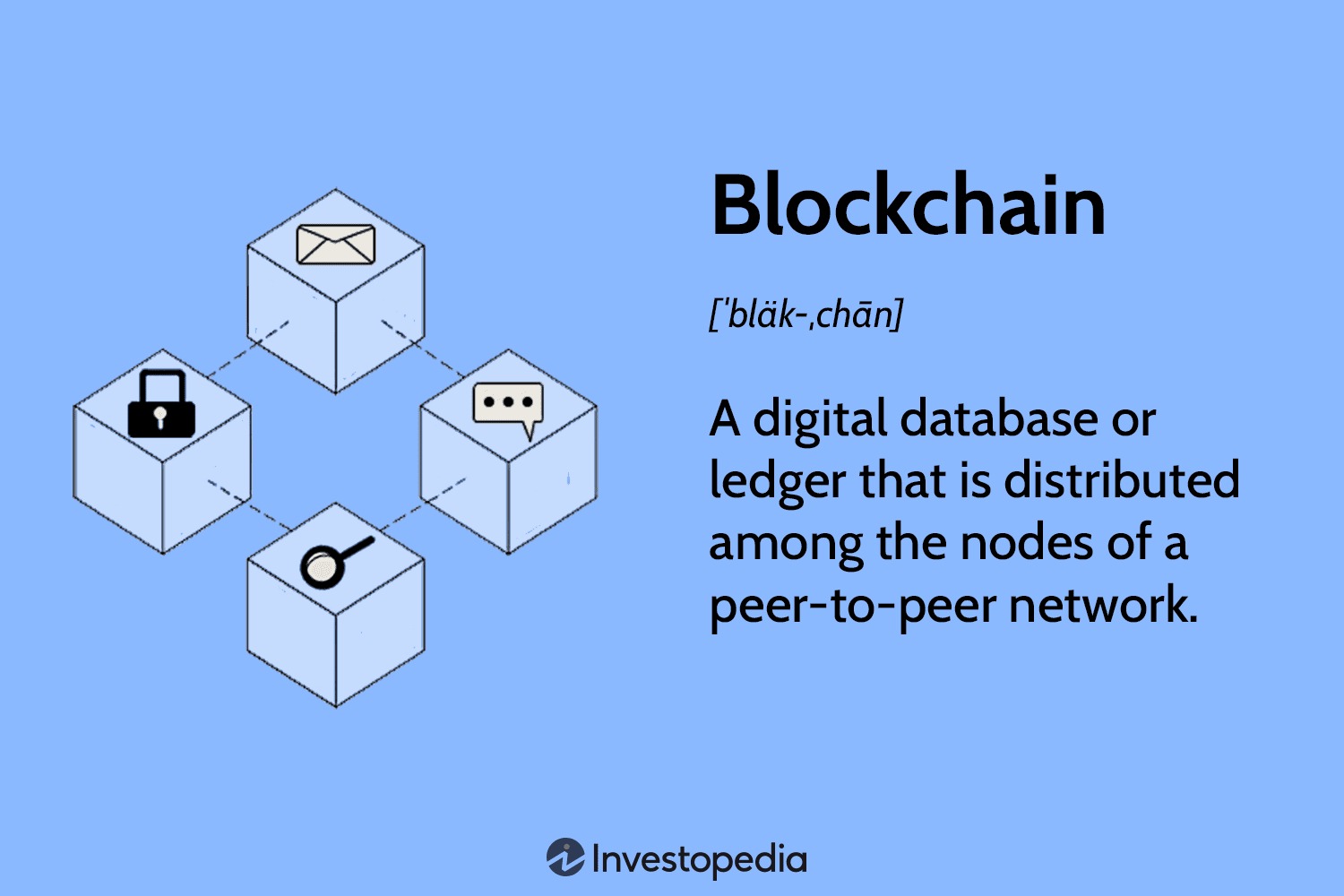
bc In simple words, blockchain is like a digital ledger or record book that keeps track of transactions or information. But what makes it special is that instead of being controlled by one person or organization, it's spread across many computers around the world. Every time a new transaction or piece of information is added, it gets put together with other recent transactions into a group called a "block." These blocks are then linked together in a chain, forming a timeline of all the recorded activities.The exciting part is that once information is added to a block and the block is added to the chain, it becomes almost impossible to change or erase. This makes the information very secure and reliable.Blockchain is most famous for being the technology behind cryptocurrencies like Bitcoin, but it can also be used for many other things like keeping track of supply chains, verifying identities, and even creating contracts that automatically execute when certain conditions are met. Overall, blockchain offers a way to keep records in a super secure and transparent way, without relying on a single central authority.

Features

blockchain
Decentralization:
Unlike traditional centralized systems where a single authority controls the data, blockchain operates on a decentralized network, distributing control among multiple participants (nodes). This decentralization enhances security and reduces the risk of a single point of failure.
Transparency:
All transactions recorded on the blockchain are visible to all participants, ensuring transparency and accountability. This transparency can help prevent fraud and promote trust in the system.
Immutability:
Once data is added to a block and the block is added to the chain, it becomes extremely difficult to alter or delete the information. The data in a blockchain is considered immutable, making it a secure and reliable method for recording transactions.
Security:
Blockchain uses advanced cryptographic techniques to secure transactions and ensure the integrity of the data. Transactions are verified by network participants through consensus mechanisms, such as Proof of Work (PoW) or Proof of Stake (PoS).

How It Works

work Blockchain is a distributed and decentralized technology that enables secure and transparent record-keeping of transactions across multiple computers (nodes) on a network. It serves as the foundation for various cryptocurrencies like Bitcoin, but its applications go beyond digital currencies to areas like supply chain management, voting systems, healthcare, and more. Let's break down how blockchain works:
Decentralization:
Unlike traditional centralized systems where data is stored on a single server or a few servers controlled by a central authority, blockchain operates on a network of computers (nodes). Each node has a complete copy of the entire blockchain ledger.
Blocks and Transactions:
Transactions represent the data that users want to store on the blockchain. These transactions are grouped together in blocks. For example, in the case of cryptocurrencies like Bitcoin, transactions include the sender, receiver, and the amount of Bitcoin being transferred.
Cryptographic Hashing:
Each block contains a unique identifier called a cryptographic hash. This hash is generated based on the data in the block using cryptographic algorithms. Any change in the block's data would result in a completely different hash.
Linking Blocks:
Each block contains the hash of the previous block. This creates a chain of blocks, where each block is linked to its predecessor, hence the term "blockchain."

Game